Web development for hotels and tourism
What hotel and tour-operator websites must do that generic sites do not: win direct bookings, feed the OTAs on your terms, load fast on the one bar of mountain wifi, and photograph well.
Bands are editorial estimates, Q2 2026, same method as the rate benchmarks. Your quote is scoped to your actual project.
A hotel website has one measurable job: direct bookings. Every night sold through an OTA costs 15–25% commission; the site exists to win that margin back. Everything else, the brand story, the gallery, the local guide, serves that conversion or is decoration the OTA would have sold anyway.
The build reality is harsher than most industries: your site loads on the one bar of wifi at the end of the valley road, on the phone of a tired traveller in a moving vehicle. Speed and reliability are not SEO abstractions here, they are the difference between a booking and a bounce to Booking.com. Photography is the other half: travellers book what they can see, so the site must be built to make real photos load fast and look inevitable.
Integration is the third fork. A property site with enquiry forms is one build ($4,000–15,000); a site feeding a real booking engine, channel manager sync, availability, payment, is another ($8,000–30,000). The honest sequencing: get the engine right before the marketing site, because a beautiful site pointing at a broken booking flow is an expensive billboard for the OTAs.
Quarterly, and only when the numbers move
Get the rate report before you negotiate.
Updated rate bands across the major stacks and regions, plus what changed and why. No other email.
Questions
Asked about hiring for hotels & tourism.
Depends on your size and margin: small properties (under ~10 rooms) and experiential tours convert fine on enquiry forms plus fast human replies, and keep commission entirely. Larger properties live and die on instant confirmation, which means a real engine (Beds24, Cloudbeds and similar) synced with the channel manager. The rule: if you can reply within minutes during booking hours, forms win; if not, engine.
You mostly do not, not on “hotels in [destination]”, where they outspend everyone. You win the queries they cannot have: your name, your neighbourhood, “boutique stay near [landmark]”, and every guest who already heard of you. That is a local-SEO plus brand-SEO game, GBP, reviews, structured data, and pages about what makes the property itself worth choosing. Direct bookings are won at the edges, then compounded.
WordPress with a proven hospitality theme and the booking stack that fits your size, for most independent properties, ownership, content freedom, and a developer pool everywhere. Shopify is wrong for rooms; pure builders collapse under booking integration. The platform matters less than the engine choice and the speed budget, hold every option to those two first.
They will, if pasted in raw, and they do on most hotel sites. Handled properly, modern formats (WebP/AVIF) and responsive sizes deliver the same photos at a tenth of the weight, with art-direction so the hero crops beautifully on phones. Photography that loads fast is a build discipline, not a compromise.
Related services
Website Design
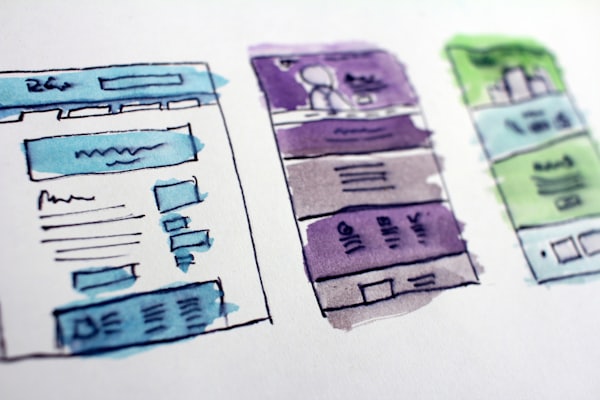
Design decisions tied to what each page must achieve, not decoration applied after the fact.

Website Speed & Performance
Speed work with numbers attached: budgets agreed upfront, real-device measurements, before/after evidence in the handover.

Technical SEO
SEO built on the parts that compound: crawlability, structure, speed and schema, not tricks with a shelf life.

Ecommerce Development
Ecommerce builds ranked by the only metric that matters: what the store does to revenue, not how many features it has.
Building for the Hotels & tourism market? Get a scoped quote, two minutes now, a written answer with price and timeline in two days.