Patient Portal Development
Portals where patients book, read, and reach the clinic without phone tag — on architecture that treats medical data as medical data, with the audit trails to prove it.
A patient portal is a client portal with the stakes raised: the data is medical, the consent rules are stricter, the audit expectations are higher, and the least technical user in the building — a patient on a phone in a waiting room — is the primary interface. The engineering consequence is privacy-first architecture: data isolation per patient, role-based access across clinic staff, and access logging designed for the day someone asks "who viewed this record and when" — with a real answer.
Typical engagements: clinic portals where booking, results delivery and document access replace phone-tag, multi-doctor practices with per-provider calendars and referral flows, diagnostic labs delivering reports securely instead of as email attachments, and rescue work on portals where "secure" was a login page rather than an architecture. The compliance framing is honest: this desk builds to privacy-first standards and audit-trail discipline, works alongside your compliance obligations, and does not certify HIPAA/GDPR compliance — the certification question runs through counsel and assessors, said plainly on day one.
The build leans on the same access-discipline core as every portal here — audited authentication primitives, verifiable isolation, workflows that replace phone tag — plus the medical-specific surfaces: booking per provider and chair, results delivery with acknowledgment, secure messaging with clinic-hours honesty, and reminders that reduce no-shows without becoming spam. Related service pages: client portals and the healthcare industry page; booking mechanics at booking & scheduling.
Quarterly, and only when the numbers move
Get the rate report before you negotiate.
Updated rate bands across the major stacks and regions, plus what changed and why. No other email.
Questions
Asked about Patient portals.
The honest framing: compliance is an organizational state — policies, training, business associate agreements, infrastructure choices — not a stamp a codebase receives. This desk builds the technical layer to privacy-first standards (isolation, encryption in transit and at rest, access logging, minimal data) and works alongside your counsel or assessor so the certification conversation starts from a defensible position. What is never claimed: that software alone makes you compliant.
Yes, with scope discipline: structured requests (refill, follow-up, results question) route better than free-form chat, and response expectations are stated in the interface (clinic hours, no emergencies — emergency messaging in any portal is a liability design flaw). The messaging layer logs both sides and keeps threads attached to the patient record.
Per the clinic's cadence — typically confirmation at booking, reminder at 24–48h, and a no-show follow-up flow — via SMS, WhatsApp or email per patient preference. The mechanics ride the standard messaging integrations; the clinic sets the policy and the quiet hours. No-show rates are the metric this feature exists to move.
Booking-only tools solve the calendar; portals solve the relationship — results, documents, requests and history in one patient-owned place. The honest test is repeat contact: if patients only ever interact at booking time, booking software suffices; if they phone for reports and documents between visits, the portal earns its build.
Related — application work

Client Portal Development
Portals where clients do real work — documents, data, requests, status — securely, in one place, instead of across a hundred email threads.
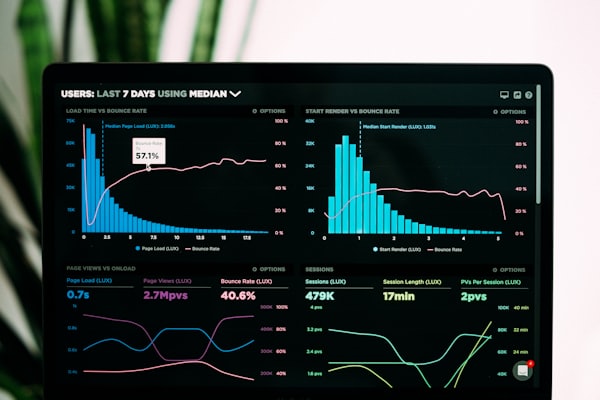
Dashboard Development
Dashboards built around decisions, not decoration — the metrics that drive action, pipelines that stay fresh, interfaces that stay fast.

Internal Tool Development
The tools your team uses all day, built like they matter — because the cost of a bad internal tool is paid daily, in minutes, by everyone.